Light Painting Photography

For the promotion and progression of Light Painting Art and Artist.

  • Home
  • Blog
  • History
  • Artists
    • Dean Chamberlain
    • Eric Staller
    • Susan Sims-Hillbrand
    • Vicki DaSilva
    • David Lebe
    • Troy Paiva
    • Bruno Mesrine
    • Chanette Manso
    • Patrick Rochon
    • Aurora Crowley
    • LAPP-PRO
    • JanLeonardo
    • Lightmark
    • Arturo Aguiar
    • Pete Eckert
    • Trevor Williams
    • Michael Bosanko
    • Jason D. Page
    • Nocturne
    • Brian Hart
    • Jeremy Jackson
    • Janne Parviainen
    • Jadikan-LP
    • Dana Maltby
    • Lichtfaktor
    • Dennis Calvert
    • TigTab
    • Hannu Huhtamo
  • Tools
    • Light Painting Brushes Starter Kits Introduction
    • Fiber Optics Light Painting Tools for Photography
  • Tutorials
    • Beginner Light Painting Tutorials
    • Light Painting Tutorials by Artists
    • Light Painting Tool Tutorials
    • Kinetic Light Painting Tutorials
    • Light Painting with Fire Tutorials
    • How To Light Paint A Flower
    • Light Painting Photography Tutorial: The Spiked Orb
    • How To Light Paint a Faberge Orb!
    • No More Orb Feet – Light Erases Darkness
    • The Tinfoil Light Painting Technique
    • How To Light Paint A Ghost
    • Electric Orb Light Painting Tutorial
    • Spirographs and Physiograms Tutorial
    • On Camera Light Source
    • Off Camera Light Source
    • Orb Techniques
    • Steel Wool Tutorial
    • Custom White Balance
    • Omnidirectional Light Cap
    • Gel Holder
    • Simple Orb Tool
    • 4 Ways to Add Color to your Plexiglass Light Painting Brushes
    • Driving Shots at Night
    • Wire Wool Spinning
    • El Wire Tutorial
    • Light Stencils
    • Orbs
    • Dome Tutorial
    • Battery Operated Cathode
    • Light Wheel
    • Double Wheel
    • Fire Wall Tutorial
    • Fire Rain Tutorial
    • Smoke
    • How To Light Paint with the Polaroid One Step +
    • How To Focus In The Dark
    • Light Painting Tutorial The Peacock Technique
    • How To Shoot Defocused Fireworks Tutorial
    • Drone Light Painting Tutorial
    • Light Stencil By Trevor Williams
    • Andrew Whyte Dome Tutorial
    • Light Painting Workshop by Patrick Rochon
    • Rob Turney Refractographs
    • SpiroJib by Johnny Griffin
    • Lens Swap Light Painting Tutorial
    • Camera Rotation Light Painting Tutorial
  • Videos
    • Light Painting Documentaries
      • Jason D. Page Documentary
      • Ball of Light
      • Night Photography: Finding Your Way In The Dark
      • Lightpainted Reality
      • SeeMe | In Focus : Pete Eckert
      • Pete Eckert – Dancing on The Edge of Perception
    • Dean Chamberlain
    • Vicki DaSilva
    • Patrick Rochon
    • Lichtfaktor Light Painting Videos
  • Terms
  • Links
  • Connect With Us!
  • About
You are here: Home / Archives for Light Painting Photography

Eric Paré and Kim Henry, Through The Lens

March 9, 2018 by Jason D. Page

Light Painting is exploding, and if there are two people that stand out on the forefront of spreading the light it’s the globe trotting duo of Eric Paré and Kim Henry In the latest episode of Adorama’s YouTube show “Through The Lens” Eric and Kim talk about their work and whats keep them motivated, check it out below!

Filed Under: Light Painting Photography, Light Painting Video

UTOPIA II, Time-Lapse Light Painting Animation by Jason Rinehart

March 5, 2018 by Jason D. Page

Light Painting Photographer Jason Rinehart has been hard at work over the last 6 months creating a unique project called UTOPIA II. Utopia II is a creative blend of light painting, double exposure, time-lapse, and hyper-lapse techniques mixed together to create a 2:15 second work of video art.  Jason gave me some background about whats behind the name UTOPIA, why time-lapse is important in his creative process, what this project means to him, check it out below…

Words by Jason Rinehart:
Sometime ago I came across this statement that said an imagined place or state of things in which everything is perfect. which ended up being the definition of Utopia. I absolutely loved that statement and so my Utopia journey begin. For me, its not this imagined place but making something that could very well be imagined a reality and bringing it to life through the art of photography.

I knew early on in my photography journey that time lapse would be an important part of my creativity. Im a very visual person and music is also a huge part of me as a artist. I find a ton of inspiration through sound for everything I create with my photography. For me time lapse is this perfect opportunity to share all these elements about myself combined into one beautiful creation.  As a kid I was always fascinated with flip book art where one drawing lead on to the next page and so on and when you flip the pages the story reveals itself. To me its so amazing that where paper and pen would be needed for that type of art my camera is now my pen and the world my paper. 

Utopia II I believe is this perfect reflection of me as a artist and shows how far ive come through my hard work. This project was a perfect balance of all these pieces of myself combined into one project to reveal all of my long exposure passions. 

I hope everyone that sees Utopia II will enjoy my project as much as I did putting this all together. Im very passionate about my work and I want nothing more then to always convey that passion to who every sees my work. Thank you everyone that shows me so much support from around the world, you all are very much appreciated.


Check out more of Jason’s work here:
Instagram
Facebook

Filed Under: Light Painting Photography, Light Painting Video

Light Painting Photography Contest Winner, March 2018

March 5, 2018 by Jason D. Page

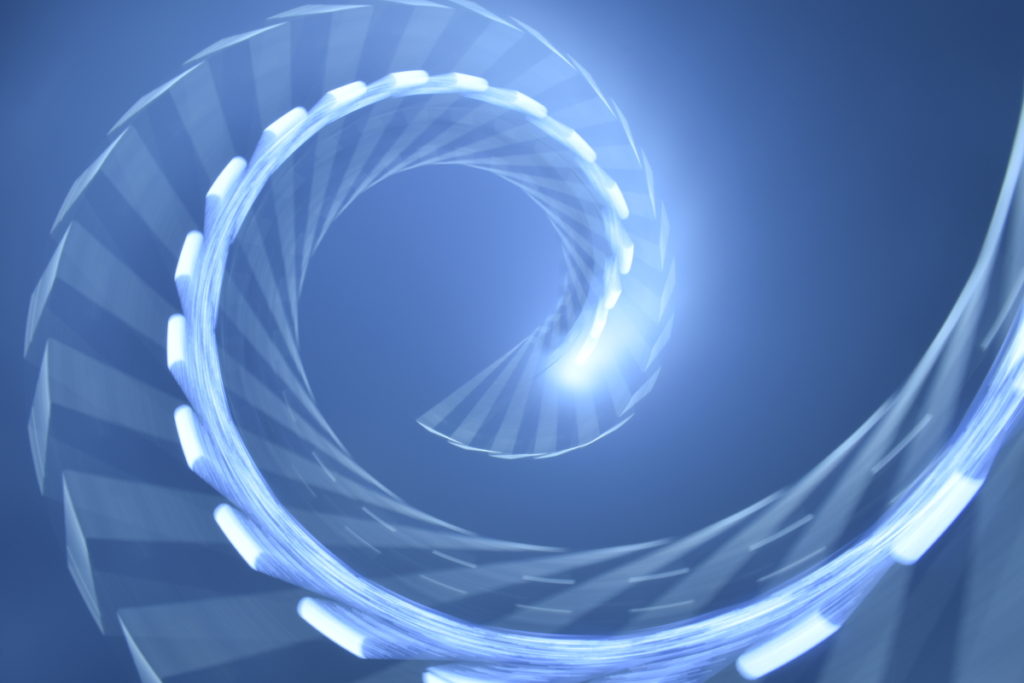
The winner for the light painting Light Blading contest is Francisco J. Lojo Pasín for the smooth spinning image above!

Fran said this about the winning image!

“I created this image using homemade plexiglass combined with one of my favorite lightpainting techniques, the camera rotation, but  in a weird way this time. I put the camera spinning over a turntable!”

I used two  flashlights with different power, the one with less power was attached to the homemade rectangle plexiglass and the other to a little acrylic bubble tube, both of them in strobe mode!

The process of taking the pic was easy. I held the two flashlights with a hand and while the camara is spinning I shot with a remote trigger and move the lightblades up moving my wrist to finally point the flashlights to the white roof and cut the exposure.

I tried with many different colors, motions, positions… but finally I decided not use colors and played only with the white balance of the camera. for this shot it was the ‘incandescente’ mode combined with white background ( the roof ) and different power of the cold flashlights,  made a great blue tones image, it’s a stunning spiral effect! I’m very proud of the results!

My gear: Nikon D5300 with the 18-140mm kit lens.

The settings were:
f16
ISO 100
3.7 seconds of exposure.

Check out more of Fran’s Light Painting work on his Flickr, 500Px, and Instagram!

For this winning image Fran will receive a pize package filled with illuminating tools from our sponsors below. For your chance to win click here to see the next Light Painting Contest Theme and how to enter. 

As a special addition to this contest prize package Patrick Rochon donated his entire new KYO LITEBLADE SYSTEM! The kit will include, a Klarus XT11S (1100 Lumens), 7 round bottom Liteblades, 1 KYO attachement, one remote pressure switch and a colour sample pack!

And as always this light painting photography contest series is sponsored by the best damn companies on earth COAST Flashlights, Neon Flexible, LED Flexible,and Light Painting Brushes ! Please support these awesome companies that support our light painting art from, without them this contest series would not be possible!
Light-Painting-Brushes-Banner

Filed Under: Light Painting Contest, Light Painting Contest Winner, Light Painting Photography

Light Painting Contest Entries, February 2018

February 22, 2018 by Jason D. Page


Here are the entries for the February 2018 Light Painting Photography Light Blading Contest! Everyone PLEASE VOTE in the comment section of this page to pick your top 3 favorite images, the images all have a number in the title (EXAMPLE… IF ONE OF YOUR FAVORITES IS THE IMAGE TITLED “Light Painting Contest February 2018 22″ THEN YOU SHOULD PUT THE NUMBER 22 AS ONE OF YOUR CHOICES). Voters please vote just ONE time and you must include 3 unique choices for your votes to be counted. In other words no 1,1,1, or 5,5,5, or 7,7,7,…..Please pick your three favorite IMAGES based on the image alone, thank you and enjoy. Voting ends February 28th at Midnight Eastern Standard Time.


As a special addition to this prize package Patrick is donating his entire new KYO LITEBLADE SYSTEM! The kit will include, a Klarus XT11S (1100 Lumens), 7 round bottom Liteblades, 1 KYO attachement, one remote pressure switch and a colour sample pack!
The light painting photography contest series is sponsored by the best damn companies on earth COAST Flashlights, Neon Flexible, LED Flexible,and Light Painting Brushes ! Please support these awesome companies that support our light painting art from, without them this contest series would not be possible!
Light-Painting-Brushes-Banner

Filed Under: Light Painting Contest, Light Painting Photography

The Path Of Light a Light Painting Documentary Series

February 20, 2018 by Jason D. Page


It has always amazed me how light, like music, can transcend all social and cultural boundaries and bring people together! The inclusiveness of light is one of the things I love most about the medium we work with as light painters. Last year Aurora Light Movement, a light painting trio from Germany, organized a Meet Up group in Berlin with other light painting artist from around the world! With so many talented light painters in one place the production team from MovinApes decided to document the meet up and turned it into a wonderful documentary series called The Path Of Light! This video showcases perfectly the beauty of light bringing people together, check it out below! If you would like to read the full detailed report on the event check it out here. Enjoy.

Filed Under: Light Painting Photography, Light Painting Video

Light Painting Artist Profile: Jason Rinehart

February 14, 2018 by Jason D. Page


If you follow this blog you have probably heard of Light Painting Artist Jason Rinehart! Jason is know for creating some insanely imaginative light painting work, pioneering new light painting techniques and he is also known for his willingness to help other learn and grow! On my summer road trip last year I got the chance to spend some time with Jason and his family in Virginia and during that time I forced him to film an interview, (he doesn’t like to be on camera) with the intention of putting together a profile video. Finally I have found the time to edit it out and I am excited to finally share this new Light Painting Artist Profile with you on Mr. Jason Rinehart! Enjoy!

Filed Under: Light Painting Photography, Light Painting Video

Universal Connector Compatible Flashlights Guide – 2018

February 11, 2018 by Jason D. Page

Light Painting Brushes Compatible Lights

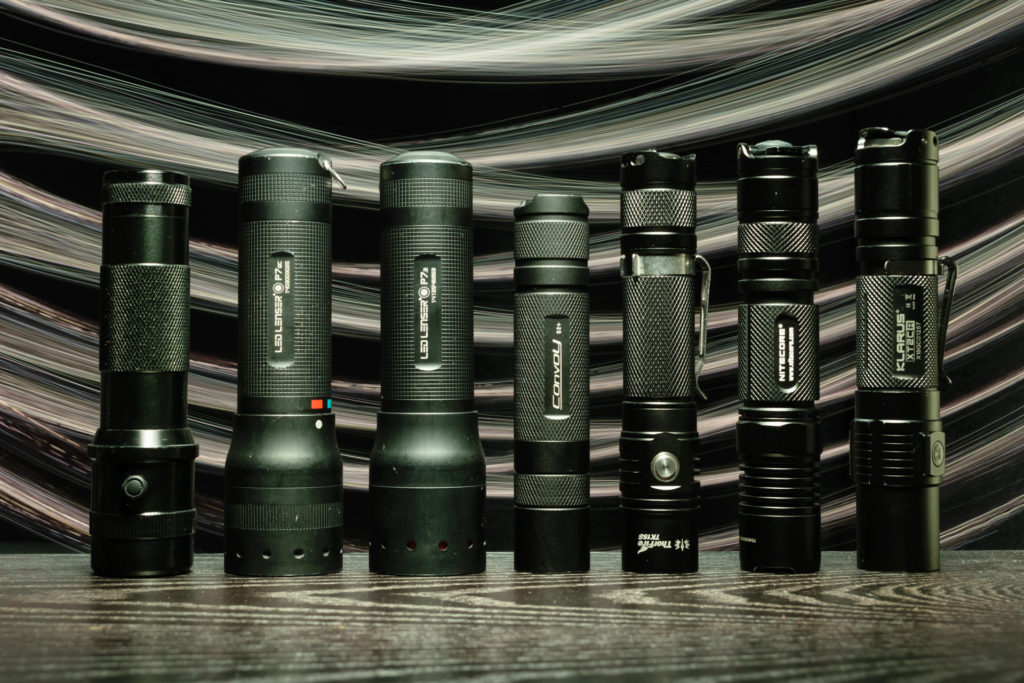
Selection of flashlights compatible with LPB Universal Connector. Illuminated with LPB Black Fiber Optics.

Many of you might know of the Light Painting Brushes tools for light painting. Well one of the most common questions I get is “what lights do you recommend that fit the Universal Connector”. I am personally biased because I mostly use Coast lights so I wanted to get an unbiased review. I couldn’t think of anyone better than Light Painter Stephen Knight!  Stephen is a flashlight guru with extensive knowledge of all sorts of different lights so I reached out to him and asked if he would share his knowledge!  He came back with this amazing and detailed 2018 Universal Connector Flashlight Guide! Thank you very much Stephen, Jason Rinehart, Riley Bangs and everyone else that helped put this guide together, Enjoy…

The Light Painting Brushes (LPB) Universal Connector is a great invention that allows for the connection of a wide range of flashlights (torches) to many different light painting tools. A question often asked is which flashlights are the best for use with the Universal Connector? The Universal Connector allows for flashlights with a circular shaped head diameter of between .975”/24.7mm to 1.5”/38.1mm. I’ve personally has success with connecting flashlights of down to 24.1mm head diameter. Things that need to be considered when purchasing flashlights are the required brightness, tools used, user interface, whether you want to use colours, and whether you require PWM or strobe effects. Opinions discussed in this article are based on either testing by myself, other flashlight enthusiasts and light painters, based from product information, and discussions with manufacturers. It should be noted that manufacturers do sometimes change the specifications of flashlights, and that new flashlights are released onto the market very frequently. Thanks to those who’ve assisted with providing information for this article.

Flashlight Brightness

Brighter is generally better (within reason), though even the dimmest of flashlights can still be used for light painting. However, be aware that the lower the light’s total brightness (lumens/lm) and peak beam intensity (candela/cd) will require use of a wider aperture and/or higher ISO during photography. This can impact on image sharpness or noise respectively. If you are using multiple light painting tools you will need to manage the brightness of each tools so that they match. Thankfully, most flashlights have multiple output modes (e.g. high, mid, and low) to allow this. If you are photographing in high ambient light conditions, such as around street lighting, then you will require relatively bright flashlights. Another thing to bear in mind is that the claimed brightness by manufacturers is recorded at 30 seconds, and most flashlights step-down the brightness rapidly to avoid overheating or running the batteries flat quickly.

Lights that use commonly found AA and AAA (alkaline or rechargeable NiMH) batteries are popular with many light painters, and those new to flashlights. AA/AAA zoom lights that will fit the Universal Connector include the Ledlenser P7-2017 (450 lm) and MT6 (600lm), Coast G32 (355lm), G50 (355lm), HP5R (185lm), Polysteel 200 (320lm), Polysteel 400 (375lm), and TX9R (300lm). AA/AAA non-zoom lights that fit the Universal Connector include the Coast G26 (120lm), Energizer Vision HD 2AA (400lm) and 3AAA (250lm), Zanflare F2 (200lm), and Jaxman M2 (350lm). If you are on an extreme budget, there is a wide range of cheap aspheric lens zoom lights available online (usually with highly exaggerated lumens ratings and low quality LEDs) such as the $8 Meco XM-L T6 1600LM flashlight, but these will typically only be between 80 and 230 lumens. Many cheap flashlights that will fit the Universal Connector can also be obtained from hardware stores, supermarkets, and grocery stores for less than $10, but they are usually not very bright.

Lithium ion based flashlights (usually using rechargeable 18650 batteries) allow for much higher brightness, but also result in heat! They are generally much better value for money than AA or AAA based lights, but require knowledge of the risks of using li-ion batteries. Bright non-zoom 18650 lights that are in the 1000 lumens range (+/-200lm) that can be used with the Universal Connector include the Convoy S2+, Thorfire TK15S, VG10S, and VG15S, Sofirn SP31 and SF36, Atactical/Wowtac A1S, Thrunite TC12v2, Eagtac P25LC2, Klarus XT11S, Nitecore P10GT, Nextorch TA30, and Olight M2T. These will all run close to maximum brightness for at least a couple of minutes before automatic or manual brightness step-down, allowing for use in longer light painting scenes. Zoom lights that can reach 1000 lumens include the Ledlenser P7R and MT10 (note that the step-down occurs after 30 seconds), Walther Pro SL66r, and the impressive budget Wowtac A3S. There may be a few more bright zoom lights introduced during 2018 from quality flashlight manufacturers.

Lights that fit the Universal Connector in the 1500-2000 lumens range include the Klarus XT2CR, Klarus XT11GT, and Olight M2R. These are great in high ambient brightness situations, but can step-down in brightness from around 30 seconds due to the large amount of heat produced (the Klarus XT11GT will step-down more gradually due to having a larger head). These lights may provide up to a 1 stop photographic exposure advantage compared to previously mentioned 18650 flashlights. They can also burn holes in cellophane or lower quality colour gels very quickly. I would not recommend any current flashlights over 2000 lumens (such as the Emisar D4) for use with the Universal Connector due to the excessive heat produced by the LEDs, and step-downs occurring within seconds.

Beam Profile

Flashlights have different beam profiles, and thus some are better illuminating some tools than others. A whole article could be written on this subject alone! Flashlights vary between floody beams (wide angle and less intense hotspot) to throwy beams (narrower beam angle and more intense hotspot). Zoom lights will allow for both, and whilst being very popular with light painters, they are far from being mandatory for use with light painting tools.

Zoom lights may illuminate tools more optimally at different parts of the zoom range depending on the optical design – for example the Ledlenser P7.2 illuminates LPB Plexiglass tools and Light Swords more evenly in the middle of the zoom range. For non-zoom lights, longer, narrower tools such as the LPB Light Sword are generally illuminated better by more throwy flashlights. The same goes for tools with a narrow diameter for light input such as LPB Light Pens and Light Whip. Plexiglass tools and fibre optics are generally better illuminated by a more floody beam profile that allows for a more distributed illumination of the edges or fibres respectively. However, experimenting with different beam profiles may produce interesting results.

User Interface

User interface is critical to some light painting scenes. There are three locations of switches in flashlights, the side, tail, and remote pressure switches.

Side switches are somewhat hit and miss for use with the Universal Connector. Depending on the switch design, location, and diameter of the flashlight, they may be inaccessible or difficult to press whilst in the Universal Connector. Thus caution needs to be taken when purchasing side switch lights, especially if using the side switch function is required during the photographic exposure. However, don’t completely rule out side switch lights, and many of the lights listed in this article use side switches for either on/off or mode change functionality.

Light Painting Brushes Universal Connector and Remote Pressure Switch

Using a remote pressure switch on the outside of the LPB Universal Connector.

Tail switches are more easily accessible, and allow for the light to be turned on and off, or modes to be changed during the exposure. As you should be holding the Universal Connector with one hand, you may need to use your other hand to press the switch. Some flashlights such as the Klarus XT series have dual tail switches for more functionality. Even better, especially for use with Plexiglass tools, is a remote pressure switch. This switch is connected via a cord, and can be fixed to the outside side of the Universal Connector by tape. These are great for on the fly changes, such as changing from high to strobe, and back again. Advanced multi-function remote pressure switches include the Nitecore RSW2 for use with some P series lights, and Klarus TRS1 for use with some XT series lights.

There are two other useful features that some flashlights have for light painting – mode memory, and momentary switches. Mode memory allows the light to turned on in a memorised mode (usually the last used mode). This is essential if you need to turn the light on in the required mode during the photographic exposure. Lights that have reliable mode memory include the Thorfire TK15S, VG10S, and VG15S, Sofirn SP31 and SF36, Atactical A1S, Thrunite TC12v2, and Nitecore P10GT.

Momentary switches (also known as “forward clicky” or “tactical” switches) allow for more control over on and off, with a half press of the switch. These are very useful for light drawing or light writing. Lights with momentary on high include the Ledlenser P7.2 and P7-2017, Olight M2R and M2T, Klarus XT2CR and XT11GT. Lights with momentary on all memorised (non-flashing) modes include the Thorfire TK15S, Sofirn SP31, Atactical/Wowtac A1S, Thrunite TC12v2, Fenix PD35TAC, and Nitecore P10GT.

Colours and Colour Temperatures

Many LPB tools are available with integrated high quality colour gels, reducing the need for flashlights with coloured LEDs. However, colour changing flashlights can add to creativity. The popular Ledlenser P7QC has red, green, blue, and white LEDs. It is possible to turn the light on in any preselected colour, and also easy to change between colours. The smaller Ledlenser T2QC is a slightly cheaper option, but you have cycle through the colours from off to get to the chosen option. The Coast TX100 has white, red, and blue LEDs. The TX100’s blue is more towards the lighter end of the blue spectrum which is preferred by some over the (lens flare inducing) “forensic blue” in some other lights. For very bright coloured light, the Jaxman E2L Color is available in individual red, green, blue and yellow, but an O-ring may be required around head of the light to fit the Universal Connector’s minimum dimensions. The pricey but zoomable Maglite XL50 Spectrum Series light is available in individual red, green, and blue options. For those with P60 compatible flashlight hosts, it is possible to buy coloured P60 drop-ins. If you want a flashlight that can fade between lots of colours, then the Colorshine Flashlight is a popular choice. Be aware that this light is cheap, unreliable, has terrible PWM (see next section), and is only 30 lumens. If you are lucky and get a sample that works correctly, then excellent results can be obtained in very dark locations by using wide apertures and/or high ISO.

Most flashlights are available in cool white tint (approx. 6500k CCT), which can be quite harsh, and often has hints of green, blue, or purple. If you want a more “daylight like” beam, then look for flashlights with neutral white tint options (4000-5700k CCT). Examples are the Thorfire VG10S and TK15S, Sofirn SP31, Olight M2R, Thrunite TC12v2, Energizer Vision HD lights, Zanflare F1 and F2, Jaxman M2, plus the Convoy S2+, M1, M2, and zoomable BD4 (choose xx-3x or xx-4x emitter options). Flashlights with warm white (3000k CCT) LEDs are much more rare, but are available in most lights made by Convoy (choose xx-7A tint emitter), Sofirn SF36W, and the zoomable Maglite XL50 Spectrum Series warm white model.

PWM and Strobe

Light Painting Brushes Orb on 20Hz Strobe

20Hz strobe used for creating an Orb with a LPB 22” Light Sword.

Light Painting Brushes Diamond Plexiglass Bike Flash

Bike flash effect using LPB Plexiglass Diamond.

Light Painting Brushes Plexiglass

PWM effect (cyan light trail) using LPB Plexiglass Diamond and custom light blade.

Flashing modes can add to the creativity in light painting scenes. This can be achieved via strobes, bike flashes, or Pulse Width Modulation (PWM). In the last few years there has been a trend for strobes that alternate between two frequencies. This can be creative, particularly for use with Plexiglass tools, but is undesirable for most light painting where a single frequency strobe is preferred. Lights with single frequency strobes include the Convoy S2+ (10Hz with older 3/5 mode user interface), Thorfire VG15S (10Hz), Thrunite TC12v2 (12.5Hz), Atactical/Wowtac A1S (12.5Hz), Zanflare F1 (10Hz), Ledlenser M7RX (20Hz), plus Walther Pro PL50, PL55r, PL60, and SL66r (20Hz). If the strobe is instantly accessible via momentary functionality, this can be very useful for creative light drawing. The following lights allow for momentary access to single frequency strobe – Olight M2R (9Hz), Nitecore P10GT (10Hz with 33% on time), and Nextorch TA15 and TA30 (10Hz). The Nextorch myTorch range allows for programming of the strobe frequency, though the programming software appears to be limited to MS Windows.

Some flashlights have a bike flash mode that can create interesting pulse effects. Examples are the Convoy S2+ Desert Tan (with newer Biscotti user interface), Sofirn SP31, Thorfire TK15S and TK18.

PWM is found in some flashlights and used to dim the output by pulsing the light on and off very quickly. It is usually found in lower output modes. The pulsing is fast enough that you can’t usually see it if the light is stationary, but it can be seen as a stuttering effect in the light trails during light painting. Examples of lights with PWM in lower modes include Ledlenser lights with “smart light technology” and the Klarus XT11GT. PWM is also found in many cheaper flashlights, but as these are rarely reviewed on flashlight forums it is difficult to recommend specific models. PWM is undesirable to non-light painting flashlight users, and the number of quality flashlights available with PWM is in decline – don’t throw out old lights with PWM!

Conclusion

There is a wide range of lights suitable for the LPB Universal Connector, at all price points. In fact this article only mentions a fraction of the hundreds of flashlights that will fit the Universal Connector. There is no “do everything” light, and thus I would recommend building up a collection of lights to meet as many of your requirements as possible.

Filed Under: Light Painting Photography

The Making Of Night Owl a Light Painting Mosaic by Chris Bauer

February 8, 2018 by Jason D. Page

Light Painting Artist Chris Bauer is an absolute madman and his work ethic should be an inspiration to us all! Chris is know for creating some insanely imaginative and complex light paintings but I think he has really outdone himself with his latest project “Night Owl”! Originally inspired by the work of Brian Hart, Chris set out on a journey creating light painting mosaics that led him to create an incredible piece of art that just also happens to be a functioning clock! Night Owl is made up of 900, yes 900 individual light paintings that are then stitched together to create one final image. Chris documented every step of the process and put together the excellent video below showing exactly how this masterpiece was created! One more thing, if you would like to try this style of light painting but the task of creating 900 tiles is a little much a great place to start is by joining the light painting community in the Piece Out Project, Piece Out is a light painting collaboration project created by Dan Chick where you can work together with other light painting artist from around the world to create awesome light painting mosaics like what Chris has created here! Check out the post on Piece Out Here, Enjoy the video below!


Filed Under: Light Painting Photography, Light Painting Video

Light Painting Mosaic Project

February 5, 2018 by Jason D. Page


Light Painting Artist Dan Chick has put together a really cool website and light painting project called Piece Out! Piece Out is a site focused on bringing light painting artist from all around the world together to work on collaborative images created one piece at a time! This is how it works…

“A source image is carefully selected (some work much better than others) and it’s sliced into individual tiles. Each of the pieces is then assigned to different members of the website that have selected to participate in the project and the artist then uses light painting techniques to create their piece or pieces of the overall picture. The website will automatically assemble the individual light paintings together to create the new light painted version of the original image.

Please head over to the Piece Out Website and participant! There are two open projects going on right now including a Van Gogh collaboration with LPWA for The International Day of Light! Below is a smaller finished version of the Light Painting Photography Logo using this technique created by Dan some years ago!

Filed Under: Light Painting Photography

Light Painting World Alliance Australian Tour 2018

January 17, 2018 by Jason D. Page

Light Painting World Alliance in conjunction with light painting artists Rob Turney, Denis Smith, and Alexander Kesselaar are putting together an incredible 2 weeks of light painting photography events beginning on Feb. 14th, 2018 and going through Feb. 27th, 2018! Hitting up 3 major Australian cities including Melbourne, Adelaide and Sydney with master classes from local and international light painting artist, beginner workshops, collaborations and light painting meet-ups galore! Patrick Rochon will be the special guest artist and there will even be a FREE Light Painting Open Night on February 18th! If you are interested in checking out some of the events there are two spots to get all the info, check out the links below, Enjoy!

Light Painting World Alliance Australia Tour

Living Light Events by Denis Smith


Filed Under: Light Painting Photography

« Previous Page
Next Page »

Copyright © 2026 · News Pro Theme on Genesis Framework · WordPress · Log in